


You don’t need a yoga mat, fancy gear, or even much time to unwind after a packed day. When your neck feels tight from hunching over a screen, your hips ache from sitting too long, or your brain’s spinning like a browser with too many tabs open—seated yoga stretches can be the low-effort, high-reward solution your body’s craving.
These stretches don’t just loosen up tense muscles they reset your nervous system, ease mental stress, and help you feel grounded. The best part? You can do them just about anywhere: on a living room rug, at the edge of your bed, or even in a quiet corner at the office.
Let’s walk through six seated yoga stretches that are simple, soothing, and surprisingly effective.
Seated Neck Stretch: Relief Where You Need It Most
Ever feel like your shoulders are glued to your ears? That’s your neck screaming for attention.
Sit comfortably cross-legged or on a chair with both feet flat on the floor. Let your arms relax by your sides. Slowly tilt your right ear toward your right shoulder. No pushing—just let gravity do the work. Stay for five slow breaths. If you want more, gently rest your right hand on the left side of your head for a deeper stretch.
Then, switch sides.
This small move releases tension you didn’t even know you were holding. It’s a quick fix for screen fatigue, tension headaches, and that “tech neck” we all get from staring at phones.
Seated Side Bend Stretch: Make Space to Breathe
Think of this one as a deep yawn for the side body.
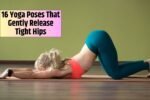
Sit tall, legs crossed or feet planted if you’re on a chair. Place your left hand beside you and raise your right arm overhead as you inhale. Exhale and slowly bend left. Keep both sit bones grounded so you’re not leaning off-center. Feel the stretch all the way from your hip to your fingertips.
Hold for 5–7 breaths. Then switch sides.
This pose opens up the ribs and lungs, making it easier to breathe deeply. It’s especially helpful when you feel mentally foggy or physically tight from sitting too long.
Seated Forward Fold: Fold into Calm
If your mind feels like it’s running a marathon, this one’s your off switch.
Sit with your legs extended. Inhale, lift your arms to lengthen your spine. Exhale and hinge forward from your hips. Reach toward your feet or let your hands rest comfortably on your legs. Let your head hang and your breath slow.
Stay here for 8–10 breaths.
This pose soothes the lower back, quiets the mind, and sends calming signals through the nervous system. It’s a great way to transition from work mode to rest mode—or to decompress before bed.
Seated Spinal Twist: Shake Off the Slump
Twists are like a refresh button for the spine and the mind.
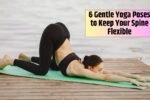
Sit with legs extended or cross-legged. Place your right hand behind you and your left hand on your right knee. Inhale to sit taller; exhale to twist gently to the right, gazing over your shoulder. Avoid forcing it—let the twist come from your core, not your neck.
Hold for five breaths, then return to center and repeat on the other side.
Beyond improving spinal mobility, this twist lightly stimulates your internal organs and improves digestion—great if you’ve been sitting for hours or dealing with that sluggish, post-lunch slump.
Seated Shoulder and Chest Opener: Un-hunch the Upper Back
Hours of slouching over laptops or phones can collapse the chest and tighten the shoulders. This pose helps reverse all that.
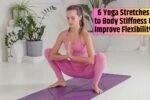
Sit tall and clasp your hands behind your back. Can’t reach? No worries—hold a towel or strap instead. Inhale and gently pull your hands back and down, opening your chest. Roll your shoulders away from your ears and keep your chin level.
Hold for 5–7 breaths.
You might be surprised how much deeper you can breathe after this stretch. It’s excellent for posture, and it gives that satisfying “ahhh” feeling when your back finally opens up.
Seated Butterfly Stretch: Soften the Hips
Emotions, tension, and tightness often land in the hips. This grounding pose helps ease both physical and emotional stress.
Sit upright and bring the soles of your feet together. Let your knees drop naturally toward the ground. Hold your feet or ankles. Inhale to lift your spine. As you exhale, gently lean forward if it feels good. You can stay upright too—whatever your body needs today.
Hold for 10 slow breaths.
The butterfly stretch helps open the inner thighs, calm the nervous system, and release the kind of built-up tension that often goes unnoticed until it’s gone.
How to Create a Relaxing Seated Yoga Routine
You don’t need to carve out a full hour or nail every pose perfectly. The secret to a good seated yoga routine is intention, not intensity.
Here’s a simple framework:
- Find a quiet spot—bedroom, office corner, balcony, wherever.
- Sit comfortably—use a cushion or folded blanket if needed.
- Move slowly.
- Breathe deeply.
- Try each stretch for at least 5–10 breaths.
- Add soft music, dim lighting, or essential oils if that helps you relax.
Repeat the sequence once or twice depending on how much time you have. Even a 10-minute routine can shift your entire mood.
Why These Simple Stretches Actually Work
Seated yoga stretches may seem small, but they’re backed by solid science. Deep, slow stretching activates your parasympathetic nervous system—the one responsible for rest and recovery. That means:
- Lower heart rate
- Reduced cortisol (stress hormone)
- Better digestion
- Calmer thoughts
- Improved sleep
Plus, these movements improve blood flow, lubricate joints, and prevent stiffness—especially in people with sedentary routines.
And because these stretches don’t require sweat, space, or skill, they’re easier to turn into a daily habit—which is where the real magic happens.
FAQs
Absolutely. These poses are gentle and can be modified with props like cushions or towels to fit all levels.
Start with 5–10 slow breaths per pose. Over time, you can stay longer as your body becomes more comfortable.
Morning sessions help you wake up gently, while evening stretches are ideal for relaxing and improving sleep.
Yes, many of them can be adapted to a chair, making them perfect for mid-day breaks at work.
Just a comfortable seat or cushion. A yoga mat is optional but not necessary for these poses.
