


Spending hours staring at screens is the new normal whether it’s emails, Zoom meetings, Netflix binges, or mindless scrolling. But behind all that digital convenience is a growing issue: eye strain. If you’ve ever felt your eyes burn, your head throb, or your vision blur after a long day of screen time, you’re not alone.
The culprit? Prolonged focus on digital devices causes the tiny muscles around your eyes to work overtime. Add poor posture, tense shoulders, and mental fatigue to the mix, and you’ve got a recipe for chronic discomfort. But before you reach for yet another bottle of eye drops, know this: a few minutes of yoga a day can do wonders for your eyes—and your sanity.
Let’s break down three yoga poses that help alleviate digital eye strain, promote relaxation, and support your overall well-being.
How Yoga Relieves Eye Strain (Yes, It Actually Works)
Yoga isn’t just about twisting into pretzel shapes or mastering headstands. At its core, it’s a nervous system reset—releasing tension, improving blood flow, and restoring balance to overworked muscles. That includes the delicate muscles around your eyes, neck, and shoulders—areas that tighten up when you’re hunched over a screen all day.
By practicing specific yoga poses, you can:
- Reduce neck and shoulder tension that contributes to eye fatigue
- Improve circulation to the face and head
- Relieve facial pressure and support healthy tear production
- Calm the nervous system, lowering stress-related symptoms like headaches and light sensitivity
And the best part? You don’t need a mat or a full workout. These three yoga techniques can be done right at your desk or in any quiet corner of your home.

1. Child’s Pose (Balasana)
A gentle reset for your eyes, mind, and upper body
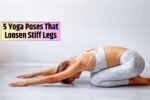
Child’s Pose is more than a resting position—it’s a release valve. As you fold forward and bring your forehead to the ground, it increases blood flow to your face and eyes while gently stretching your back, shoulders, and neck.
How to do it:
- Kneel on the floor with your big toes touching and knees wide apart.
- Sit your hips back toward your heels.
- Extend your arms in front of you (or alongside your body if you prefer).
- Rest your forehead on the mat or a pillow.
- Breathe slowly for 1–3 minutes.
Why it works:
- Encourages blood flow to the face and head
- Relieves tension in the upper body
- Promotes relaxation and calm—especially helpful if screen time causes anxiety
Pro tip: If your forehead doesn’t touch the ground, use a folded blanket or cushion. It enhances the calming effect by applying gentle pressure to the brow point (a key area in yogic relaxation).
2. Eye Squeeze and Release (Netrabasti Variation)
Facial yoga that directly targets eye fatigue
This deceptively simple practice tones the eye muscles and improves circulation—kind of like a mini workout for your face. It’s often used in Netra Yoga (yoga for eye health) and can bring instant relief when your eyes feel dry, tired, or heavy.

How to do it:
- Sit comfortably with your spine tall and shoulders relaxed.
- Close your eyes gently.
- Inhale deeply. As you exhale, squeeze your eyes shut tightly.
- Hold the squeeze for 3–5 seconds.
- Then inhale as you open your eyes wide—really wide—as if surprised.
- Repeat for 5–10 rounds, coordinating with your breath.
Why it works:
- Activates and relaxes the tiny muscles around the eyes
- Increases tear production and improves lubrication
- Enhances circulation, reducing eye redness and fatigue
Bonus: This can also help reduce tension headaches that creep up from squinting or focusing too long.
3. Seated Forward Fold (Paschimottanasana)
A full-body stretch that targets neck, back, and emotional tension
This classic pose might seem like a hamstring stretch, but it’s actually a nervous system soother. When you fold forward with intention, you release the spinal tension that builds from sitting and slouching—especially around the upper back and neck, which are closely connected to eye discomfort.
How to do it:
- Sit on the floor with your legs extended straight in front of you.
- Inhale and reach your arms up to lengthen your spine.
- Exhale and hinge from the hips to fold forward.
- Reach toward your feet, ankles, or shins—no need to force the stretch.
- Keep your spine long and your shoulders relaxed.
- Hold for 30 seconds to 1 minute, breathing deeply.
Why it works:
- Releases upper back and neck tension
- Encourages blood flow to the face and brain
- Activates the parasympathetic nervous system, reducing stress and eye tension
Struggling to reach your feet? Use a strap or towel around your soles. The goal is length and relaxation, not flexibility.
Quick Daily Routine: 5-Minute Reset for Eye Relief
| Pose/Exercise | Duration | Key Benefit |
|---|---|---|
| Child’s Pose | 1–3 minutes | Boosts blood flow to eyes, calms nerves |
| Eye Squeeze & Release | 1–2 minutes (10 reps) | Tones eye muscles, eases fatigue |
| Seated Forward Fold | 1 minute | Relieves neck/back strain, calms mind |
Do this during your lunch break or between meetings—it’s the perfect mini-reset that doesn’t involve caffeine or blue light glasses.
Can Yoga Prevent Future Eye Strain?
Absolutely. While these poses are great for immediate relief, they’re even more powerful when practiced consistently. Over time, you’ll notice:
- Fewer headaches
- Less eye dryness or redness
- Better posture
- More mindful screen habits
Think of it as preventive care for your vision, posture, and nervous system—all in one.
You can also combine these yoga poses with the 20-20-20 rule (every 20 minutes, look at something 20 feet away for 20 seconds) and stay hydrated to support long-term eye health.
Look After Your Eyes (and the Rest Will Follow)
Screens aren’t going anywhere. But neither is your body’s ability to heal, reset, and adapt—if you give it the tools it needs. Yoga doesn’t just soothe tired eyes; it helps you re-center, breathe deeply, and break the cycle of digital burnout.
Whether you’re managing back-to-back meetings or just scrolling too much, a short yoga break can make all the difference.
Try it today. Your eyes and your nervous system will thank you.
FAQs
You can practice them daily, especially during or after long periods of screen time. Even 5 minutes can help.
No. It’s more important to focus on a long spine and relaxed shoulders than to reach your toes.
Yes. Child’s Pose and the Eye Squeeze exercise can reduce facial tension and help ease headache symptoms.
Yes, but be gentle. Remove contacts first if they’re causing discomfort.
Absolutely. They’re safe and effective for all ages especially with increased screen time for remote learning or gaming.
