


Let’s face it modern life has us parked in chairs more than ever. Whether it’s eight hours at the desk, a cross-country flight, or a Netflix binge that turned into a sedentary marathon, all that sitting takes a toll. Hips lock up. Shoulders hunch. Your lower back starts muttering angry things. But here’s the silver lining: with just a few minutes of mindful movement, you can start undoing the damage.
These five yoga stretches are simple, effective, and specifically designed to counteract the physical strain that builds up from long hours of sitting. You don’t need to roll out a mat or change into workout clothes—just a chair, your breath, and a few minutes of your day.
1. Seated Cat-Cow Stretch (Seated Marjaryasana-Bitilasana)
If your spine feels like it’s been frozen in place, this is your go-to. The seated cat-cow stretch wakes up the back, brings mobility to the spine, and gets your breath flowing—all without having to leave your chair.
How to do it:
Sit up tall on the edge of your chair, feet flat on the ground. Place your hands on your knees.
- Inhale: Arch your back slightly, lift your chest, and look upward (Cow Pose).
- Exhale: Round your back, tuck your chin to your chest, and draw your belly button in (Cat Pose).
Repeat for 5–10 breaths, moving with intention. It’s surprisingly soothing.
Why it helps:
- Lubricates the spine and improves posture
- Eases tension in the shoulders, neck, and lower back
- Boosts circulation after static hours
This one’s a must if you’re chained to a desk all day.

2. Neck Stretches
You know that dull ache at the base of your skull after a day of staring at screens? That’s neck tension talking. And it’s not shy. These stretches are a quick fix—and you can do them between emails or during Zoom calls (camera off, of course).
How to do it:
Sit tall, shoulders relaxed.
- Gently drop your right ear to your right shoulder.
- Hold for five slow breaths, then switch sides.
- Want more? Lightly rest your hand on the opposite side of your head to deepen the stretch (don’t pull, just let gravity do its thing).
- You can also slowly rotate your head left to right, pausing where it feels tight.
Why it helps:
- Relieves neck and upper back stiffness
- Improves mobility in the cervical spine
- Reduces screen-induced headaches
Pro tip: Breathe deeply. Tension loves to live in shallow breaths.
3. Seated Forward Fold (Paschimottanasana)
Sitting might feel “restful,” but it keeps your hamstrings in a shortened position, which eventually tightens the whole posterior chain. A seated forward fold helps unravel that tightness—without demanding flexibility or gymnastic skills.
How to do it:
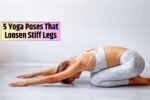
Sit on the floor with your legs stretched out in front of you.
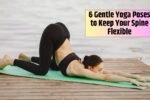
- Inhale and sit tall, lengthening your spine.
- Exhale and slowly fold forward from your hips—not your waist.
- Reach for your feet, shins, or ankles—whatever feels comfortable.
- Keep your spine long and your shoulders relaxed.
Hold for 5–10 deep breaths. You’ll feel a gentle release through your hamstrings and lower back.
Why it helps:
- Stretches the entire back body: calves, hamstrings, and spine
- Relieves pressure from long-term sitting
- Calms the nervous system
This one’s especially nice at the end of the day.
4. Seated Spinal Twist (Ardha Matsyendrasana)
Stiff spine? Tight hips? Digestive issues from being too sedentary? A spinal twist hits all those notes. Plus, it helps release built-up tension from your torso—a place we often forget gets tight from sitting.
How to do it:
Sit in a chair with your feet planted firmly.
- Inhale to sit tall.
- Exhale and twist gently to the right, placing your left hand on your right knee and your right hand on the back of the chair.
- Keep both hips grounded and shoulders relaxed.
- Hold for 5–10 breaths, then switch sides.
Why it helps:
- Rejuvenates the spine and stretches the back
- Improves digestion and circulation
- Enhances spinal mobility
Think of it as a wringing-out of your midsection—perfect after a long, motionless day.
5. Shoulder Shrugs and Rolls
This is the stretch equivalent of a sigh of relief. It’s so simple you might overlook it, but shoulder rolls can quickly dissolve tension that creeps up around your traps and upper back—especially if you’re constantly reaching for the mouse or typing away.
How to do it:
Sit or stand tall.
- Inhale: Lift your shoulders up to your ears.
- Exhale: Roll them back and down.
Do this 5–10 times, slow and controlled.
Then switch to full shoulder circles—forward and backward.
Why it helps:
- Releases tension in the neck and shoulders
- Increases circulation
- Brings awareness to posture
Bonus: Combine this with neck stretches for an upper-body reboot.
Why These Poses Are Essential for Desk Dwellers
Let’s break down why these moves make such a difference:
| Issue from Prolonged Sitting | Yoga Stretch Solution |
|---|---|
| Stiff spine and poor posture | Seated Cat-Cow Stretch, Spinal Twist |
| Neck and shoulder tightness | Neck Stretches, Shoulder Rolls |
| Tight hamstrings and lower back | Seated Forward Fold |
| Reduced circulation | All five poses promote better blood flow |
| Stress and tension buildup | Deep breathing in every pose supports relaxation |
They’re quick. They’re effective. And best of all, they’re accessible—even if your yoga experience is limited to seeing downward dog on Instagram.
Your Body Wasn’t Built to Sit All Day
We’re not designed to be sedentary creatures—but modern life demands it. These yoga stretches give your body the movement it craves without needing to leave your workspace. A few minutes a day can go a long way toward preventing chronic pain, improving posture, and keeping your energy levels stable.
Think of it as a movement snack. Short, nourishing, and essential for your physical well-being. Next time your body feels stuck after hours in a chair, give one of these poses a try. You’ll be surprised how much better you feel—mentally and physically.
FAQs
Ideally, take a stretch break every hour. But even 2–3 sessions a day (morning, midday, evening) can be incredibly beneficial.
Absolutely. Most of these can be done right at your desk or in a chair. No mat, no fuss.
In general, yes but always consult your healthcare provider if you have chronic pain or injuries before starting any new routine.
Aim for 5–10 deep breaths per pose. That’s about 30–60 seconds. Listen to your body and don’t force anything.
Yes. Regular practice improves body awareness, spinal alignment, and flexibility—all of which contribute to better posture.
