


Most of us are constantly “on.” Between endless tabs on our browser, news pings, texts, and a to-do list that never seems to shrink, it’s no wonder our minds feel foggy. Mental clarity isn’t about thinking faster or solving problems on the fly it’s about finding a steady rhythm, a sense of calm awareness that helps us focus and feel present. Yoga, with its unique blend of breath, stillness, and gentle movement, is one of the most effective tools to clear mental clutter. No caffeine. No scroll breaks. Just your body, breath, and a few simple poses.
Seated Meditation Pose
There’s something deeply grounding about just sitting still. No fuss, no stretch just being.
Sit cross-legged on the floor or on a chair with both feet planted firmly. Keep your spine upright—not stiff, just alert. Let your hands rest naturally on your knees or in your lap. Close your eyes. Breathe in slowly through your nose. Exhale gently. Stay here for three to five minutes.
This isn’t just sitting—it’s training your mind to come back to now. Over time, this practice helps calm the mental chatter that builds up from multitasking and overstimulation. Even a few quiet minutes a day can dramatically improve your ability to focus.
Cat-Cow Pose
When your thoughts feel tangled or stuck, movement helps unlock them. Cat-Cow is a gentle spinal flow that connects movement to breath—and clears the fog as you go.
Come onto all fours—hands under shoulders, knees under hips. As you inhale, arch your spine gently, lifting your chest (Cow). Exhale, round your spine, tuck your chin (Cat). Keep moving with your breath, like a slow dance between inhale and exhale. Ten rounds is enough to feel a shift.

This motion isn’t just physical—it’s neurological. Linking movement and breath tells the nervous system: “You’re safe.” That’s the sweet spot where mental clarity starts to emerge.
Seated Forward Fold
Forward folds naturally calm the brain. There’s a reason they’re often used at the end of a yoga practice—they invite everything to slow down.
Sit with your legs extended. Inhale, lengthen your spine. As you exhale, fold forward gently from your hips. Let your hands fall wherever they land—no forcing. Relax your head and neck. Hold for eight to ten slow breaths.
In this pose, your attention turns inward. Your breath deepens. The overstimulated brain quiets down. If you’re anxious, overwhelmed, or just mentally drained, this pose can work like a reset button.
Seated Spinal Twist
Twisting isn’t just for your spine—it’s a way to wring out tension, both physical and mental.

Sit comfortably—legs extended or cross-legged. Place your right hand behind you, left hand on your right knee. Inhale, lengthen your spine. Exhale, twist gently to the right. Hold for five steady breaths. Then switch sides.
The twist stimulates circulation and activates your parasympathetic nervous system—the part responsible for rest and digestion. That’s the zone where clarity lives. You’ll often finish this pose feeling lighter, more balanced, and mentally refreshed.
Child’s Pose
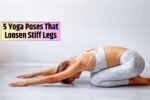
Balasana, or Child’s Pose, is yoga’s version of curling up under a blanket with a good book—it instantly brings comfort and calm.
From kneeling, sit back on your heels and fold your torso forward. Rest your forehead on the mat or a cushion. Extend your arms in front or let them rest beside your body. Close your eyes. Breathe deeply and slowly for one to two minutes.
This pose activates the relaxation response. It’s ideal when you’re mentally fried and just need to stop. You’ll come out feeling clearer, calmer, and more in control of your headspace.
Legs Up the Wall
This one’s as simple as it sounds—and surprisingly effective. It helps reverse the physical effects of stress and long hours upright.
Lie down near a wall and swing your legs up so they rest against it. Your hips can be right against the wall or a few inches away—whatever feels good. Let your arms rest by your sides. Breathe deeply. Stay here for 3–5 minutes.
This mild inversion increases blood flow to the brain, reduces fatigue, and supports lymphatic drainage. It’s like hitting refresh on your internal systems. Plus, it just feels good after a long day of mental load.
How Yoga Supports Mental Clarity From the Inside Out
The magic of yoga isn’t just in the poses—it’s in the pacing. Unlike fast-paced workouts that rev up adrenaline, yoga encourages the opposite: rest, digestion, recovery.
Breathing deeply activates the vagus nerve, which lowers cortisol (the stress hormone) and improves emotional regulation. Gentle movement boosts blood flow to the brain, sharpening cognition. And the mind-body connection strengthens with each practice—making it easier to focus, make decisions, and stay present even when life feels overwhelming.
Studies have shown that regular yoga practice improves working memory, attention span, and even long-term brain health. But more than that—it helps you feel clear. You’re not just functioning—you’re present.
Tips to Get the Most Out of Yoga for Mental Focus
- Keep it simple: Choose 2–3 poses if you’re short on time.
- Breathe first: Deep breathing matters more than how the pose looks.
- Ditch distractions: Silence your phone. Close the tabs. This is your time.
- Practice regularly: Even 10 minutes daily makes a big difference.
- Mornings or evenings work best: Start your day focused or end it with clarity.
Mental clarity isn’t something you chase—it’s something you return to. Yoga gives you the tools to clear the fog, center your thoughts, and reconnect with what matters. You don’t need perfection or flexibility. Just a willingness to pause, breathe, and come home to yourself.
FAQs
Yes. Yoga activates the parasympathetic nervous system, reduces stress hormones, and improves focus and emotional regulation over time.
Even 3–4 times a week, for 10–15 minutes, can significantly improve mental clarity and reduce brain fog.
Morning yoga helps set a calm tone for the day, while evening sessions help release mental tension before bed.
Absolutely. All the poses listed are beginner-friendly and require no prior experience.
Yoga can complement or even serve as a form of moving meditation. Many find it easier to focus while moving mindfully than sitting still.
