
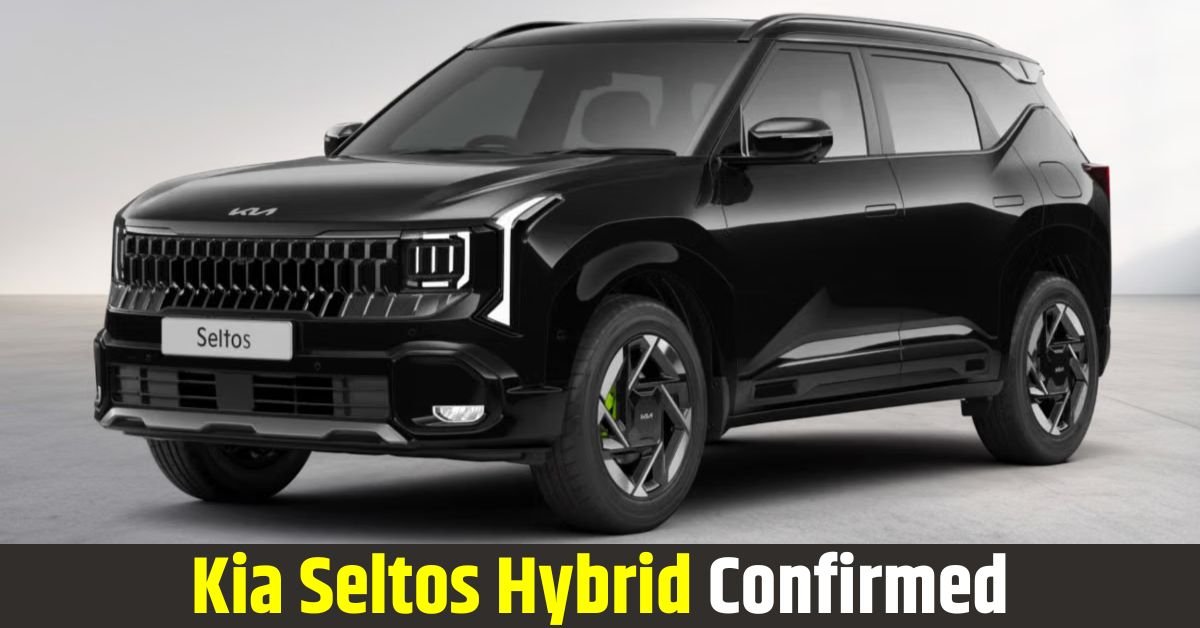

The hybrid wave is finally catching up to one of India’s most sought-after compact SUVs the Kia Seltos. But if you’re hoping to see it on Indian roads soon, hold that thought. While the Seltos Hybrid is gearing up for its international debut in early 2026, Indian buyers will need to wait until mid-2027. Why the delay? Localisation, pricing strategy, and a smart rollout plan that’s got Kia playing the long game in a fiercely competitive market.
Let’s dig into what this means for SUV buyers and how the Seltos Hybrid could reshape the compact SUV landscape when it does arrive.
The 2027 Timeline
Kia has officially confirmed its global plans for the Seltos Hybrid, with markets like South Korea and select European countries set to get first dibs in early 2026. But India, despite being a major market for the brand, will only see the hybrid version by June 2027.
That delay isn’t arbitrary. Kia’s strategy hinges on localising key hybrid components—batteries, control units, and possibly even electric motors—to keep costs in check. Importing a hybrid Seltos straight from overseas would push its price too close to premium SUVs, making it a tough sell. Instead, Kia wants to engineer an India-specific hybrid that offers cleaner performance without a luxury price tag.
It’s worth noting: the new-gen Seltos already supports hybrid compatibility, so the platform is ready. What’s missing? A cost-effective way to build it here.
Kia’s Staged Hybrid Game Plan
Interestingly, the Seltos Hybrid may not be Kia’s first hybrid in India. According to Kia India’s Senior VP of Sales & Marketing, Atul Sood, another hybrid model is likely to launch before 2027—and all signs point to the Kia Sorento Hybrid.

That’s not a coincidence. The Sorento is larger, more powerful, and more of a flagship SUV, which means it can absorb a premium price. Launching it first helps Kia do two things:
- Test the waters for hybrid acceptance in India’s mid-size and large SUV segments.
- Build consumer trust in Kia’s hybrid tech before bringing it to a mass-market model like the Seltos.
The Sorento Hybrid is already undergoing testing in India, signaling that its launch could come as early as late 2025 or early 2026.
Engine Choices
Globally, the Seltos Hybrid will feature a 1.6-litre NA petrol engine paired with an electric motor—a combination already used in hybrid models like the Kia Niro. But this engine isn’t manufactured in India, and Kia has no immediate plans to set up production for it here.
Instead, Indian buyers can expect a 1.5-litre NA petrol engine, the same one found in the regular Seltos (delivering 114 hp and 144 Nm), to be mated to a new hybrid system. This engine is already locally produced, which keeps costs manageable.
Don’t expect breakneck performance, though. The focus will clearly be on fuel efficiency and smooth urban drivability. That said, early estimates suggest the Seltos Hybrid could clock up to 25 km/l, positioning it as one of the most frugal SUVs in its segment.

| Region | Engine | Transmission | Power Output (Est.) | Mileage (Est.) |
|---|---|---|---|---|
| Global | 1.6L NA Petrol Hybrid | e-CVT | ~140 hp combined | 23–25 km/l |
| India | 1.5L NA Petrol Hybrid | e-CVT | ~120 hp combined | Up to 25 km/l |
Smart Features and V2L Support
Kia’s hybrid models aren’t just about fuel savings—they’re loaded with smart features, too. The Seltos Hybrid is expected to include:
- Bi-directional charging (V2L): Power external devices like laptops, camping gear, or even small appliances directly from your car.
- Regenerative braking: For better energy recovery and enhanced mileage.
- Drive modes: Including eco, normal, and sport for dynamic responsiveness.
- Connected car tech: With OTA updates and remote diagnostics.
Essentially, the hybrid Seltos will feel more smartphone-meets-SUV than ever before.
Competitive Landscape in 2027
By the time the Seltos Hybrid arrives in India, it won’t be the first to the party—but it could still be a big deal. Here’s what the competition might look like by then:
| Model | Powertrain | Claimed Mileage | Status |
|---|---|---|---|
| Toyota Urban Cruiser Hyryder | 1.5L Petrol Hybrid | 27.97 km/l | On sale |
| Maruti Grand Vitara Hybrid | 1.5L Petrol Hybrid | 27.97 km/l | On sale |
| Hyundai Creta Hybrid (expected) | 1.6L Petrol Hybrid | ~25 km/l | Launch by 2026 |
| Kia Seltos Hybrid | 1.5L Petrol Hybrid | ~25 km/l | Launch by mid-2027 |
Kia’s advantage? Brand value, premium interiors, and a wide service network that’s grown rapidly since 2019. Plus, the Seltos nameplate already commands serious respect in India’s compact SUV segment.
Why the Seltos Hybrid Will Matter
Hybrids are no longer a niche—they’re quickly becoming the bridge between ICE and EVs in India’s car market. And with no charging infrastructure headaches, strong-hybrid SUVs like the Seltos Hybrid offer a real-world solution for eco-conscious buyers.

Here’s why the Seltos Hybrid will matter:
- No range anxiety like in EVs
- Lower running costs vs. petrol-only SUVs
- Fewer emissions, especially in stop-and-go traffic
- More features, smarter tech, and modern drive feel
- Better resale value in an increasingly green-conscious market
If priced right, it could challenge not just Toyota and Maruti’s hybrids but also undercut EVs in the ₹20–25 lakh price range.
Final Word
Yes, the Kia Seltos Hybrid is still a couple of years away—but it’s shaping up to be worth the patience. By 2027, hybrid tech will be better understood, fuel prices will likely be higher, and government policies may further support low-emission vehicles.
Kia’s hybrid playbook seems clear: test the waters with the Sorento, localise the tech, and bring an accessible hybrid SUV to the masses via the Seltos. If you’re planning your next upgrade around 2027, the hybrid Seltos is definitely one to keep on your radar.
FAQs
It’s expected to launch in mid-2027, about a year after its global debut in early 2026.

India will likely get the 1.5L naturally aspirated petrol engine with a hybrid system, instead of the 1.6L unit used globally.
Yes, Kia is expected to introduce the Sorento Hybrid first, possibly by late 2025 or early 2026.
Fuel efficiency is estimated at up to 25 km/l, depending on driving conditions and hybrid tuning.
Yes, the international version will include V2L support, allowing you to power devices using the car’s battery.
