
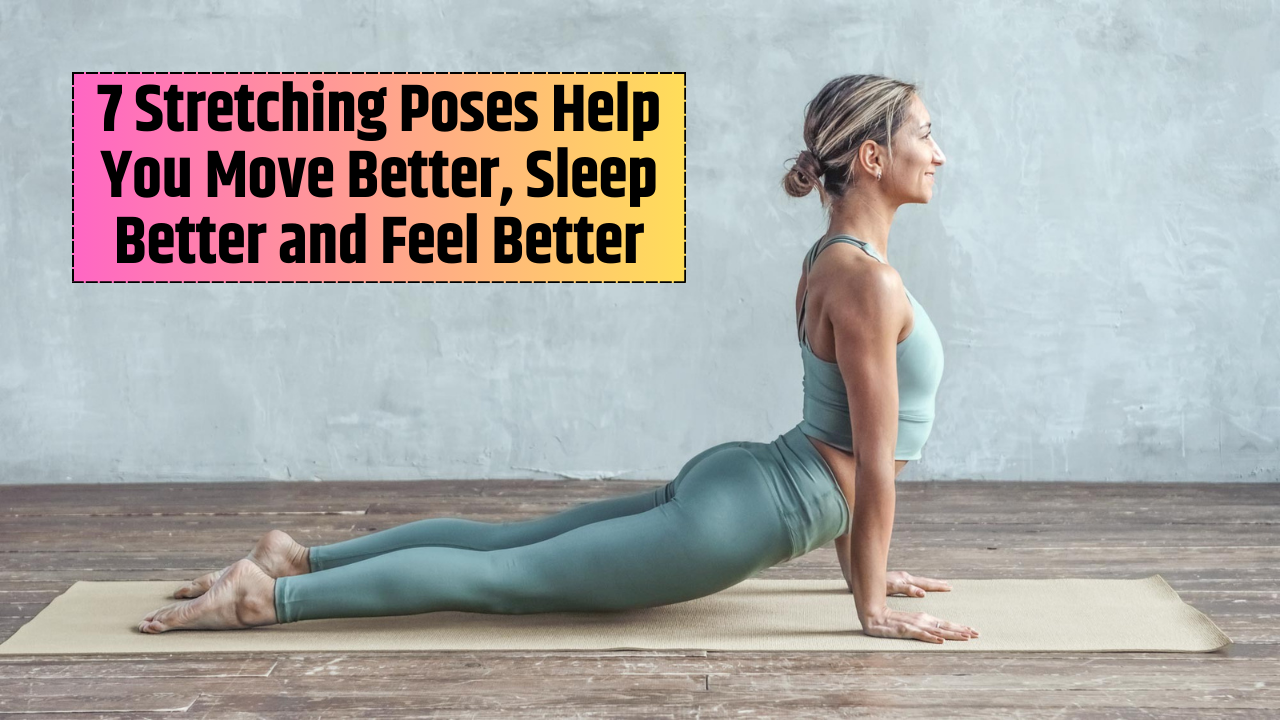

Tight hips and shoulders ugh, the modern curse, right? You might not think twice about it, but that stiff neck, that lower back discomfort, or that nagging tension in your upper body might all be linked to one thing: locked-up mobility. And the culprits? Long hours hunched over a laptop, barely moving except to grab another coffee, and scrolling endlessly on phones. Over time, all this translates into stiff, cranky joints that mess with how we walk, breathe, and even sleep.
But here’s the upside: you don’t need fancy equipment or an hour at the gym to start feeling better. You just need a little space, some deep breaths, and seven yoga poses that work like WD-40 for your joints. We’re breaking them down below—each one designed to gently pry open those sticky hips and shoulders without forcing your body to do anything crazy.
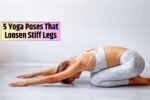
1. Puppy Pose (Uttana Shishosana)
Imagine a mix between Downward Dog and Child’s Pose—that’s Puppy Pose. With hips up high and arms reaching forward, this one melts tension from the shoulders, chest, and upper spine.
If you’re someone who slouches at your desk (guilty), this pose is gold. It decompresses the spine and gently opens the heart area without demanding flexibility. Plus, if stress is tightening your shoulders, just a minute in this pose can feel like a full-body sigh of relief.
2. Low Lunge with Arm Reach
Now we’re waking up the hips. The Low Lunge targets tight hip flexors—those deep muscles that get shortened from sitting all day. But when you add an overhead arm reach, you get that extra bonus: opening the chest and stretching the front body.
Try this one after a long workday. It instantly reverses that curled-forward posture and helps you stand taller (literally and figuratively). Tip: keep your core slightly engaged to protect your lower back while reaching up.
3. Eagle Arms (Garudasana Arms)
This one’s sneaky but powerful. While the full Eagle Pose involves balancing, we’re just talking about the upper-body portion here—Eagle Arms. Wrapping one arm over the other and lifting the elbows up helps unravel the knot of tension between your shoulder blades.
It’s especially helpful if you’ve got that “tech neck” from looking down at screens. You might feel a subtle burn between your shoulders, but in a good way—like your body’s finally exhaling.
4. Half Frog Pose (Gentle Version)
This one’s a bit underrated but a total game-changer for hip mobility. Lying on your stomach with one knee bent out to the side targets your inner thighs and hip flexors—two areas that get cranky from sitting.
The key? Keep it gentle. Don’t yank your leg too far; just find a spot where you feel a mild stretch and breathe. This is a pose where less really is more. With time, your hips will open up naturally, no pushing required.
5. Reverse Tabletop Pose
Reverse Tabletop doesn’t just look cool—it works wonders on multiple fronts. Lifting your hips and pressing into your palms stretches the front of your body while engaging the back.
It opens up the chest and shoulders (especially the front delts) and lengthens the hip flexors in one go. It’s a posture corrector disguised as a yoga pose. Bonus: it strengthens the arms and glutes too, so you’re not just stretching—you’re building support.
6. Seated Figure Four Pose
Time to get into the glutes. Seated Figure Four is basically the chair version of the classic pigeon pose, and it’s one of the safest ways to work deep into the outer hips.
Sit on the floor or even a chair, cross one ankle over the opposite knee, and gently press the knee down. The stretch hits those stubborn piriformis and glute muscles, helping relieve tension and even easing lower back pressure.
7. Happy Baby Pose (Ananda Balasana)
We’re ending on a chill note. Happy Baby might look a little silly, but it’s incredibly effective. By lying on your back and grabbing your feet, you open the hips and gently stretch the inner thighs.
Rock side to side, and you’ll also massage your spine and lower back. It’s soothing, grounding, and a perfect way to release any lingering tightness—physically and emotionally.
How Yoga Actually Improves Your Mobility
So, why does yoga work so well for hip and shoulder tension?
The magic is in the mix: slow movement, deep breathing, and nervous system regulation. When you hold a stretch while breathing deeply, your brain gets the memo—it’s okay to release tension. You’re not in fight-or-flight mode anymore. Add consistency to that combo, and you start to see real changes.
Think of it as gently retraining your muscles and joints to move like they’re supposed to. No grinding. No cracking. Just smoother, easier movement.
Here’s a quick look at how these poses stack up:
| Pose | Targets | Best For |
|---|---|---|
| Puppy Pose | Shoulders, spine, chest | Posture correction, stress relief |
| Low Lunge + Arm Reach | Hip flexors, chest, shoulders | Sitting recovery, posture reset |
| Eagle Arms | Upper back, shoulder blades | Neck pain, screen fatigue |
| Half Frog Pose | Hip flexors, inner thighs | Gentle hip opening, safe for beginners |
| Reverse Tabletop | Chest, hips, shoulders | Full-body opener, strength + mobility |
| Seated Figure Four | Glutes, outer hips | Lower back pain, hip tightness |
| Happy Baby | Hips, spine, lower back | Relaxation, hip decompression |
Looking for Proof? Science Backs It
A growing body of research supports yoga’s role in improving joint mobility and reducing musculoskeletal pain. According to Harvard Medical School, regular yoga practice can help improve flexibility, boost circulation, and ease chronic pain—especially in the hips, shoulders, and spine. Plus, studies like this one from NIH’s National Center for Complementary and Integrative Health show that yoga improves overall quality of life, from sleep to mood.
You don’t need to be flexible to start yoga—you get flexible because you start. These seven poses don’t require acrobatics or intense effort. Just a mat, a little time, and the willingness to move with kindness. If your hips or shoulders feel like they’ve rusted shut, give it a week. You might be surprised how much looser and lighter your body can feel.
FAQs
Aim for 4–6 times per week, even if it’s just 10–15 minutes a day.
Yes, they’re all gentle and can be modified for comfort.
Absolutely. These poses are specifically chosen to undo desk-related tension.
Start with 30–60 seconds, focusing on slow, deep breaths throughout.
Yes, but always listen to your body and consider using props for support.
