
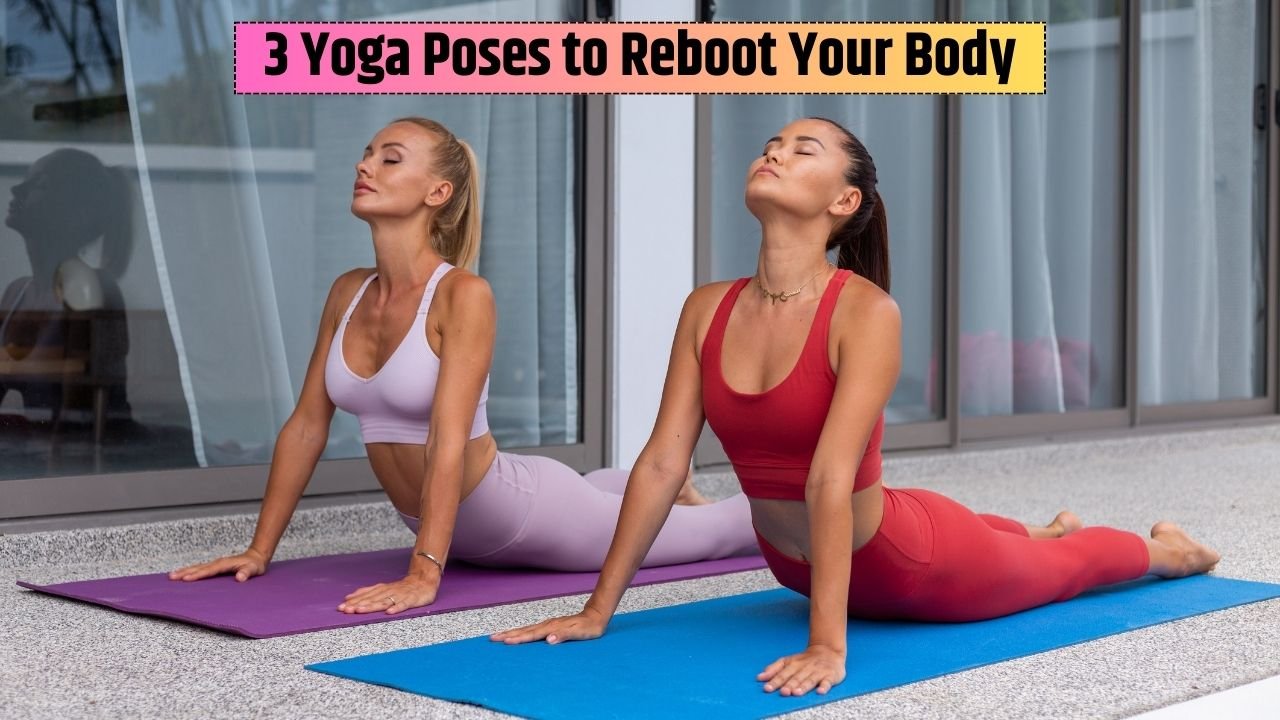

We’ve all been there slumped over a desk at 4 p.m., shoulders tight, brain fog thick, and the body practically begging for a break. The kind of tired that even coffee can’t fix. In a world moving at lightning speed, exhaustion has become the norm. But here’s the good news: relief doesn’t have to mean logging out for the day or scheduling a full workout. Sometimes, all it takes is a few intentional minutes on the mat.
Yoga offers that reset button—a way to stretch, breathe, and recharge your system without pushing it further into fatigue. The following three yoga poses are tailor-made for those days when your body feels drained and your mind can’t keep up. No fancy gear. No long sessions. Just pure, grounded relief.
Why Yoga Works for Body Fatigue
Yoga hits the sweet spot between movement and rest. While high-intensity workouts might leave you even more depleted, restorative yoga taps into your parasympathetic nervous system—that’s your body’s “rest and digest” mode.
Here’s why it’s effective:
| Benefit | How It Helps |
|---|---|
| Releases muscle tension | Loosens tight areas from prolonged sitting or poor posture |
| Improves circulation | Enhances blood and oxygen flow to tired muscles |
| Lowers cortisol levels | Reduces the stress hormone responsible for fatigue and anxiety |
| Calms the nervous system | Promotes deeper relaxation and recovery |
| Restores natural energy | Leaves you feeling refreshed instead of wiped out |
Unlike workouts that push your limits, these poses give your body exactly what it needs: relief, recovery, and reconnection.
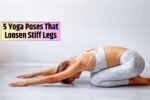
1. Child’s Pose (Balasana)
Let’s be honest—sometimes you just want to crawl into a corner and decompress. Child’s Pose is the yogic version of that, offering a deeply restorative stretch for the back, hips, and shoulders, all while grounding your energy.
Best for: Full-body fatigue, stress, and mental overload
How to Do It:
- Kneel on your mat with your big toes touching and knees slightly apart.
- Sit back on your heels and fold your torso forward.
- Rest your forehead on the mat and either extend your arms forward or let them rest by your sides.
- Take slow, deep breaths for 30–60 seconds (or longer if it feels good).
Why It Works:
- Gently stretches the spine and hips
- Releases tension in the back, shoulders, and neck
- Calms the mind and encourages deep breathing
- Helps regulate digestion (bonus for those who sit a lot)
Tip: Place a folded blanket under your chest or knees for added support, especially if you’re stiff from long hours at your desk.
2. Legs Up the Wall Pose (Viparita Karani)
Think of this pose as a power nap for your legs and nervous system. After standing, walking, or even sitting all day, your lower body craves inversion. Elevating your legs helps drain lymphatic fluid and reboot tired circulation.
Best for: Leg fatigue, lower back discomfort, and evening recovery
How to Do It:
- Sit sideways next to a wall.
- Gently lie back and swing your legs up the wall so your body forms an “L” shape.
- Keep your arms relaxed at your sides or rest hands on your belly.
- Close your eyes and breathe deeply for 5–10 minutes.
Why It Works:
- Reduces swelling in the feet and ankles
- Relieves pressure from the lower back
- Improves blood flow to the heart and brain
- Soothes anxiety and promotes better sleep
Tip: Add a cushion under your hips for a slight lift to support your lower back and enhance comfort.
3. Cat-Cow Pose (Marjaryasana–Bitilasana)
If your back feels like it’s been frozen in one position all day, Cat-Cow is your antidote. This gentle flow between two poses brings warmth and flexibility back into the spine, while syncing breath with movement.
Best for: Desk fatigue, posture correction, and low energy
How to Do It:
- Come onto all fours with hands under shoulders and knees under hips.
- Inhale: Drop your belly, lift your chest, and tilt your pelvis up (Cow Pose).
- Exhale: Round your spine, tuck your chin, and draw your belly in (Cat Pose).
- Repeat slowly for 8–10 rounds, coordinating breath and movement.
Why It Works:
- Gently mobilizes the spine and stretches the neck
- Eases stiffness from prolonged sitting or slouching
- Activates breath awareness and energizes the body
- Helps re-establish mind-body connection
Tip: If your wrists get sore, you can do this on your fists or forearms—or even seated in a chair.
When to Practice These Yoga Poses
You don’t need to carve out an entire hour. These poses are most effective when you’re consistent and mindful. Here’s when to sneak them in:
| Time of Day | Why It Helps |
|---|---|
| Morning | Gently energizes the body and starts the day with intention |
| Midday | Reboots focus and reduces physical and mental tension |
| Evening | Releases accumulated stress and helps you sleep better |
Even 10–15 minutes of these poses can offer noticeable relief. And the best part? You don’t even need a yoga mat—just some floor space, a wall, and a quiet corner.
Safety Tips for Beginners
While these poses are gentle, a few simple precautions go a long way:
- Don’t force any stretch—move slowly and breathe deeply.
- Use props like pillows, cushions, or yoga blocks for comfort.
- Avoid these poses if you have injuries or chronic medical conditions without a doctor’s OK.
- Listen to your body. Pain is a no-go discomfort is okay, but pain means back off.
You don’t need a retreat or a day off to feel better. You just need a few minutes, a bit of quiet, and some intentional movement. These three yoga poses offer real relief for real-world fatigue. They’re simple, soothing, and powerful—even for total beginners.
So next time your body feels like it’s dragging and your mind is foggy, skip the energy drinks. Try dropping into Child’s Pose, throwing your legs up the wall, or flowing through a few Cat-Cows. Your body and your brain will thank you.
FAQs
Start with 30–60 seconds per pose, and increase gradually based on comfort and time.
Yes! Child’s Pose and Legs-Up-the-Wall can be done on a firm mattress with minor adjustments.
Gentle yoga enhances recovery more effectively than passive rest by improving circulation and reducing stress.
Absolutely. These poses are gentle enough for daily practice and can be customized to your needs.
No. A towel, blanket, or carpeted floor is enough. Use pillows or cushions for added support if needed.
