
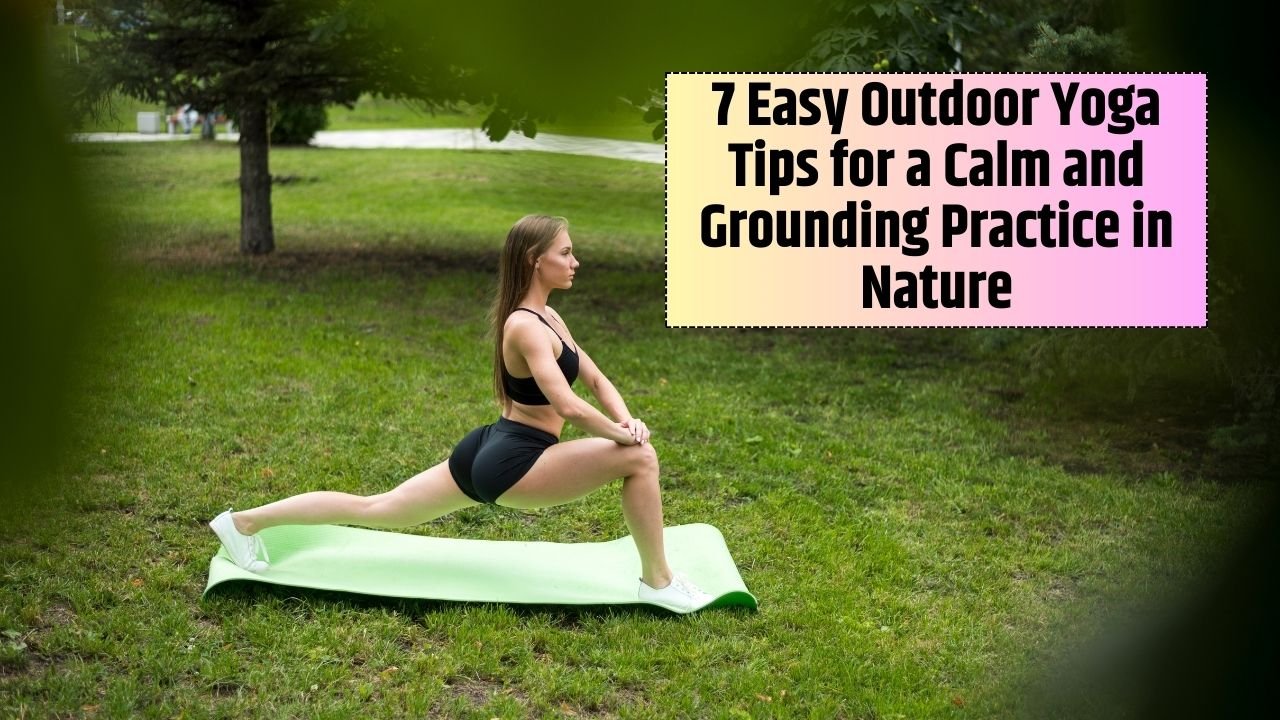

There’s something quietly powerful about rolling out your mat under the open sky. No studio mirrors, no artificial lights—just the rhythm of your breath, the warmth of the sun, and the sound of wind or birds weaving into your practice. Outdoor yoga doesn’t require anything fancy, and that’s what makes it so special. It’s raw, grounding, and real. Whether you’re on a patch of grass in your backyard, at the beach, or under a tree in your local park, nature becomes part of your flow. Here’s how to make the most of it.
Choose a Calm and Comfortable Spot
First things first—location can make or break your outdoor practice. You’re looking for flat, safe ground where you can sit or lie down without discomfort. A grassy lawn, soft sand, or even a deck with a mat will do just fine.
Avoid areas with sharp rocks, slippery surfaces, or loud distractions. If you’re in a public place, try early mornings or just before sunset—when it’s cooler, quieter, and the light is soft.
The goal? A space that makes you feel at ease and lets you connect with your surroundings rather than fight against them.
Start with Gentle Warm-Up Stretches
Unlike indoors, outdoor weather can surprise your muscles. Morning chill? Wind? Direct sun? All of these impact your body’s readiness.
Before diving into deeper poses, ease in with a few slow movements:
- Neck rolls
- Shoulder shrugs
- Wrist and ankle circles
- Gentle side stretches
This isn’t about working out—just waking up. These motions loosen joints, get your blood flowing, and help you shift gears from busy mode to mindful mode.

Sync Your Breath with Nature
Nature breathes—you should too.
One of the biggest upsides of being outside is the fresh, oxygen-rich air. Use it. Inhale slowly through your nose and feel your chest expand. Exhale fully and imagine tension leaving your body. Try a 4-6 count breath pattern (inhale for 4, exhale for 6) to deepen relaxation.
Pay attention to the sounds around you: rustling trees, chirping birds, ocean waves if you’re lucky. Let nature guide your rhythm. Breathing outdoors often feels more spacious—because it is.
Use Seated Poses for Better Grounding
Outdoor surfaces aren’t always even, which can make balance poses tricky. That’s why seated stretches are your best friend. They keep you stable, connected, and relaxed.
Some great options:
- Seated Forward Fold
- Easy Pose with Side Bend
- Seated Spinal Twist
- Butterfly Pose
These poses help release tight hips and lower back tension without needing perfect balance. Plus, sitting on the ground builds a quiet sense of connection with the earth—something that’s hard to replicate indoors.

Adapt Poses to the Weather
Nature’s unpredictable. That’s part of the magic—and the challenge.
On warm days:
- Choose cooling, slow-paced flows
- Take longer breaks between poses
- Stay hydrated
- Avoid practicing under direct sunlight for too long
On cool or windy days:
- Wear layers
- Keep moving gently to stay warm
- Choose energizing poses like Chair, Warrior II, or Bridge
Respecting your environment is part of yoga. Listen to your body, adjust your pace, and work with the elements—not against them.
Stay Present and Let Go of Perfection
Let’s be real—outdoor yoga won’t always look or feel Instagram-worthy. There might be bugs. Or a gust of wind. Maybe someone jogs past and gives you a weird look. It’s okay.
The key is staying present. If your mat isn’t perfectly flat or your pose wobbles, smile and breathe through it. Let go of the need to perform. Yoga outside is about connection, not perfection.

Accept the distractions as part of the practice. That bird call? It’s your new mantra. That uneven ground? It teaches you to adjust. Being present in the moment—even when it’s imperfect—is where growth happens.
End with Relaxation and Gratitude
Always take time to cool down. Lie back if the surface allows, or sit quietly with your hands resting in your lap. Close your eyes, breathe deeply, and notice how you feel.
Let gratitude rise naturally. It doesn’t have to be big—just a quiet thank you for the air, the space, the light, and the time you gave yourself.
This closing pause allows your body to absorb the benefits of your movement and brings your nervous system into a true state of rest.
Benefits of Stretching and Breathing Outdoors
Outdoor yoga is about more than physical flexibility. It’s a full-body-mind reset. Here’s what regular practice outdoors offers:
| Benefit | Why It Matters |
|---|---|
| Fresh air | Enhances oxygen flow and mental clarity |
| Natural light | Boosts vitamin D and stabilizes your sleep/wake cycle |
| Grounding | Contact with earth reduces stress and inflammation |
| Nature sounds | Lowers heart rate and calms the nervous system |
| Space to move freely | Encourages deeper breathing and more open posture |
| Mood boost | Being outside reduces anxiety, depression, and fatigue |
Even short outdoor sessions can leave you more energized, less tense, and mentally refreshed.

Make Outdoor Yoga a Simple Habit
You don’t have to make a big deal out of it. In fact, the simpler your practice, the more likely you’ll stick with it.
Try this:
- Commit to 10–15 minutes outdoors, 2–3 times a week
- Pick the same time or place to make it a ritual
- Focus on just a few poses and deep breathing
- Keep your setup minimal—mat, water, and maybe sunscreen
It’s not about frequency or intensity. It’s about consistency and presence. The more you show up—even briefly—the more your body and mind will thank you.
FAQs
Early morning or late afternoon. These times offer calm light, cooler temps, and fewer distractions.
Yes, but a mat or towel adds comfort and helps define your space—especially on rough or uneven ground.
Yes, but avoid peak sun hours (11am–3pm), wear sunscreen, and stay hydrated. Shade is ideal for longer sessions.
Not necessarily. But prioritize grounding poses if the surface is uneven, and be mindful of temperature changes.
Totally normal. Just keep your focus inward. Most people aren’t paying close attention, and those who are? You might just inspire them.
