

The Toyota Corolla has never been flashy, but in 2026, it doesn’t need to be. Quietly, confidently, and without much fuss, the world’s best-selling car just got a meaningful update—one that makes it feel more relevant than ever in a market crowded with SUVs, EVs, and overcomplicated tech. The 2026 Corolla is not here to make headlines with gimmicks. Instead, it’s doing what it does best: delivering dependable, efficient, and now smarter transportation for millions around the globe.
A New Chapter for a Global Favorite
With more than 50 million units sold since its debut in 1966, the Corolla doesn’t need to prove itself. What Toyota has done with the 2026 model is quietly evolve it—cleaning up the design, improving the drive, and bringing in just enough tech to keep up with the modern world, all while keeping costs and complexity low.
For first-time buyers, the Corolla offers an easy entry point. For seasoned drivers, it continues to be that no-fuss daily runner. It’s not trying to be a luxury car or a sports sedan—it’s trying to be the smart, sensible choice. Mission accomplished.
Modern Exterior Styling With Sharper Character
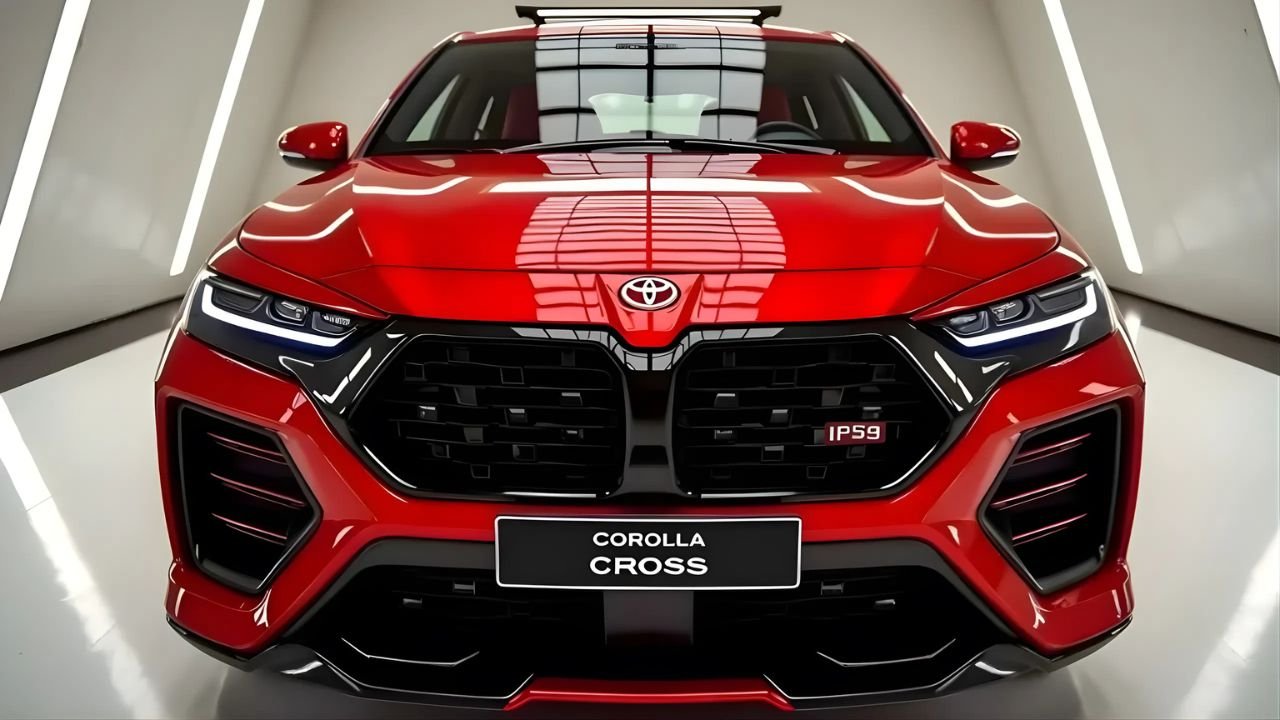
The 2026 Corolla sheds some of its old-school conservative styling for a sharper, more assertive look. A new front fascia features a wider, thinner grille with black accents, while sleeker LED headlights stretch into the fenders for a sportier, more focused expression.
The hood is now more sculpted, and subtle side creases run from the fenders to the rear, giving it a taut, purposeful look. Alloy wheel designs have also been refreshed, ranging from understated 16-inch options to bolder 18-inch choices on sportier trims.
It’s not radical, but it is tasteful—and the kind of design upgrade that makes you do a double take when you see one in traffic.

Aerodynamic Tweaks
This isn’t just about looks. Toyota engineers refined the Corolla’s aerodynamics for 2026 with updated mirror shapes, a smoother underbody, and wind-cheating body lines. The result? Slightly better highway efficiency, improved stability, and reduced cabin noise.
It’s the kind of change that doesn’t scream “new,” but you’ll feel it—especially on long drives or in windy conditions.
Interior
Step inside the 2026 Corolla and you’ll be pleasantly surprised. It’s still compact, yes, but it feels more open thanks to a cleaner dash layout and a smarter use of space. Soft-touch surfaces now cover more of the dash and door panels, and the new seat fabric (or leatherette on higher trims) feels genuinely premium for the price.
The center stack is streamlined, and the infotainment screen sits prominently but doesn’t dominate. Controls are intuitive, and unlike some rivals, Toyota still gives you physical knobs for climate and audio. Bless them.
Rear seat space is adequate—not massive, but enough for adults to ride comfortably. And the trunk remains one of the largest in the segment, with fold-down rear seats to expand cargo when needed.

A Digital Upgrade Where It Counts
The 2026 Corolla finally ditches analog gauges across all trims, replacing them with a 7- or 12.3-inch fully digital instrument cluster depending on variant. It’s clean, legible, and customizable, showing speed, fuel economy, safety alerts, and even navigation prompts.
The infotainment system—now powered by Toyota’s latest software—offers wireless Apple CarPlay and Android Auto, OTA updates, and voice commands that actually work. There’s available wireless charging, plenty of USB-C ports, and even a Wi-Fi hotspot on higher trims. It’s everything most drivers want, without the tech overload.
Fuel Efficiency and Powertrain
Toyota hasn’t made any drastic changes under the hood, and honestly, that’s okay. The 2.0-liter naturally aspirated 4-cylinder remains the standard engine, paired with a continuously variable transmission (CVT). It’s smooth, unobtrusive, and efficient—delivering around 34–41 MPG combined, depending on trim and wheels.
The real star, though, is the Corolla Hybrid. It combines a smaller gas engine with Toyota’s proven hybrid system for up to 50+ MPG in real-world use. For city commuters or rideshare drivers, that’s a no-brainer. It’s also now available with all-wheel drive, adding all-weather peace of mind for northern drivers.
No, the Corolla isn’t sporty—but it’s incredibly composed. Steering is light but accurate, ride quality is impressively smooth for a compact, and road noise is better insulated than before. It’s a car you’ll appreciate more the longer you own it.

Safety
Toyota continues to lead with safety, and the 2026 Corolla includes Toyota Safety Sense 3.0 as standard across the board. That means:
- Pre-Collision System with pedestrian detection
- Adaptive Cruise Control
- Lane Departure Alert with Steering Assist
- Lane Tracing Assist
- Road Sign Assist
- Blind Spot Monitor (on most trims)
What’s new is how seamlessly it all works. No aggressive lane corrections or beeping overload. It’s smart, it’s smooth, and it’s there when you need it—not nagging when you don’t.
Everyday Practicality
The 2026 Corolla is about as easy to own as a car gets. Fuel-efficient? Check. Reliable? Historically, it’s one of the most durable nameplates on the road. Easy to park, cheap to insure, simple to service—it’s designed to slide into your life without drama.
Toyota has also added remote start, door lock/unlock, and vehicle location tracking via its mobile app. That kind of connectivity, once limited to luxury cars, is now standard on this humble compact sedan.
The 2026 Toyota Corolla isn’t revolutionary. But that’s exactly why it works so well. Toyota knows its audience, and rather than chasing trends or inflating the price, they’ve refined a winning formula.

It’s smarter, more efficient, and more comfortable—without becoming bloated or expensive. For those who want a no-nonsense car that does everything well and keeps life simple, the Corolla is still the answer. In fact, it might be a better answer than ever before.
FAQs
The Corolla offers a 2.0L 4-cylinder gas engine and a fuel-sipping hybrid variant. AWD is available with the hybrid model.
The gas model offers around 34–41 MPG, while the hybrid can exceed 50 MPG, depending on driving conditions.
Yes, both come standard on all trims, along with a wireless charging pad on higher trims.
Absolutely. Toyota’s engineering reputation and the Corolla’s history of longevity make it one of the most dependable compact cars.
Official pricing hasn’t been released yet, but expect a starting MSRP around $23,000–$25,000, with hybrid trims slightly higher.
