
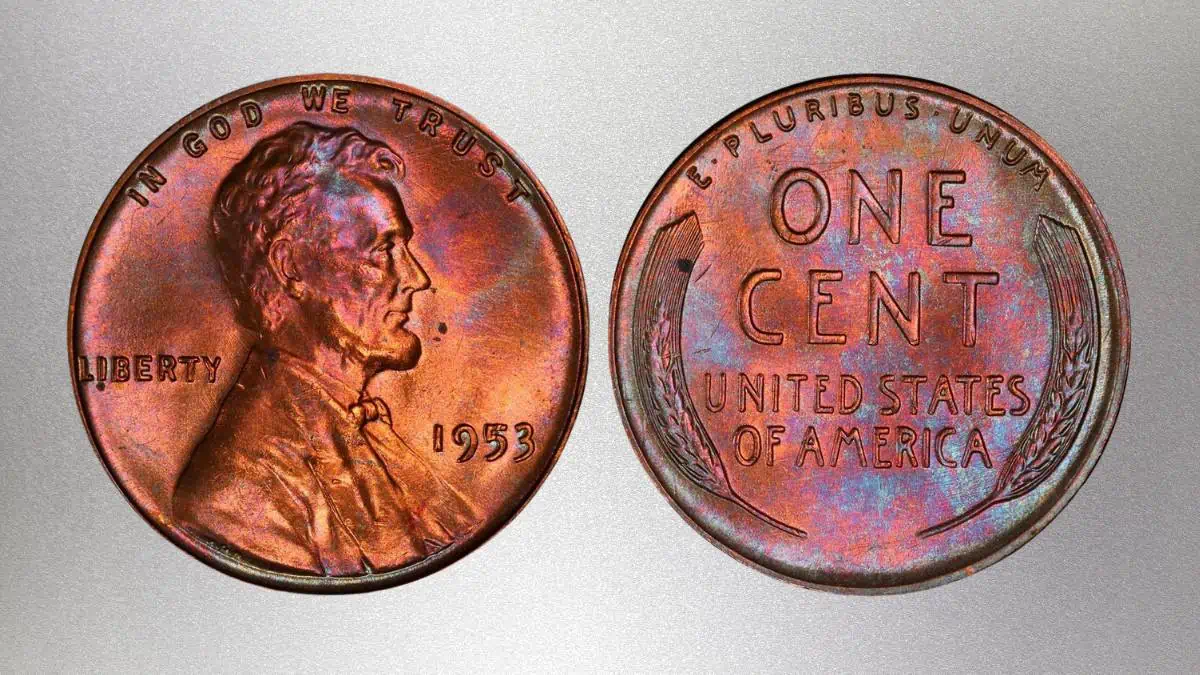

1953 Lincoln Wheat Penny might not spark much excitement when you first spot it in an old coin jar but it should. While millions of these post-war copper cents were minted and circulated across the U.S., a small number of 1953 specimens—especially those in pristine condition or struck with mint errors—are quietly worth far more than a cent. We’re talking $10, $100, even $1,000 or more in the right scenario.
So, how do you know if your 1953 penny is pocket change or a hidden gem? Let’s dig in.
Why the 1953 Wheat Penny Still Matters
The 1953 wheat penny is part of a legendary American coin series: the Lincoln Wheat Cent, minted from 1909 to 1958. These coins are easily recognizable by the wheat stalks flanking the reverse side—hence the nickname “wheat penny.”
By 1953, the U.S. was in a period of booming growth after WWII. Pennies were abundant, and the Mint struck over 700 million wheat cents that year across its three facilities. The sheer number produced means most aren’t rare—but they’re still collectible, especially for those who love U.S. history or grew up with these copper coins jingling in their pockets.
And thanks to their 95% copper composition, they carry more than just face value. Even a worn-out wheat penny holds a few cents of scrap copper value—which, when multiplied in bulk, adds up for collectors and hoarders alike.
But for those looking for more than melt value, here’s what to watch for.

Mint Marks Matter But Only So Much
In 1953, wheat pennies were struck at:
| Mint Location | Mark | Mintage | Commonality |
|---|---|---|---|
| Philadelphia (No Mark) | None | ~256 million | Most common |
| Denver | D | ~700 million | Most widely minted |
| San Francisco | S | ~182 million | Somewhat scarcer |
The mint mark appears just below the date on the obverse (front) of the coin. While Philadelphia pennies are mark-less, Denver and San Francisco added small “D” or “S” stamps, respectively.
These marks can influence value—but not drastically unless paired with rare conditions or errors. A 1953-D in poor shape? It’s worth pennies. A 1953-S in uncirculated condition with a doubled die? Now you’re talking serious money.
1953 Wheat Penny Value by Grade
Condition is everything in coin collecting. A well-circulated penny with scratches and discoloration might bring 10 cents. One that looks like it just left the Mint in 1953? That’s where value explodes.
| Condition | Estimated Value (General Range) |
|---|---|
| Heavily Circulated | $0.03 – $0.20 |
| Lightly Circulated | $0.25 – $1.00 |
| Mint State (MS60–MS63) | $2 – $10 |
| Gem MS (MS65+) | $20 – $100+ |
| Top Graded (MS67/68) | $500 – $2,000+ |
Professional grading by PCGS or NGC can make all the difference. Coins that are certified in high Mint State grades have sold for hundreds or thousands of dollars at auction—especially if they feature a strong strike, original red color, and minimal contact marks.

Rare Errors: Where Big Money Hides
This is the real wild card. While most 1953 wheat pennies are garden variety, a few rare mint error coins can be worth a fortune. These production mistakes are uncommon and often fly under the radar.
Here are some of the most valuable errors found in 1953 wheat pennies:
| Error Type | What to Look For | Value Potential |
|---|---|---|
| Doubled Die | Doubling on letters or numbers (date, LIBERTY, motto) | $100 – $3,000+ |
| Off-Center Strike | Part of design missing or shifted—date must be visible | $50 – $500+ |
| Clipped Planchet | A curved “bite” missing from edge of coin | $30 – $300+ |
| Broadstrike | Flatter, wider shape without a rim due to collar failure | $50 – $400+ |
| BIE Error | Die break between the “B” and “E” in LIBERTY | $10 – $75+ |
Keep in mind: Not all errors are obvious. A trained eye or digital magnifier can help, and serious collectors often get coins authenticated by experts to avoid mistaking damage for a true minting mistake.
How to Spot a Valuable 1953 Wheat Penny
Before you toss your old penny into a tip jar, take a second look. Here’s what to check:
- Date and Mint Mark: Confirm it says 1953 and note if there’s a D or S.
- Color and Luster: Redder color = less exposure to air = more valuable.
- Wear and Detail: Sharp lines on Lincoln’s coat and wheat stalks suggest high grade.
- Error Signs: Look for misalignment, doubling, missing edges, or odd shapes.
- Magnet Test? Not needed here—1953 pennies were all copper, no steel.
And don’t clean it. Ever. Even gentle rubbing with a cloth can ruin a coin’s surface and shave off serious dollars from its value.

Are 1953 Wheat Pennies Still Out There?
Absolutely. These coins pop up in:
- Estate sales
- Grandparent coin jars
- Old penny rolls from the bank
- Flea markets and garage sales
Most people still overlook wheat pennies as “old junk.” But for collectors? They’re worth sorting through. A sharp-eyed enthusiast could still snag a valuable find for next to nothing—especially if others don’t know what to look for.
What To Do If You Find a Good One
So you think you’ve got a valuable 1953 penny. What now?
- Don’t clean it.
- Handle it by the edges only.
- Put it in a coin flip or plastic holder.
- Take clear photos if seeking online opinions.
- Send it to PCGS or NGC for grading if it looks exceptional or unusual.
Once it’s verified, you can explore selling it through:
- Certified coin dealers
- Auction houses
- Online coin platforms like GreatCollections or Heritage Auctions
Just make sure you know what you have before you part with it.

The 1953 wheat penny might seem like a throwaway coin, but for the careful collector or lucky finder, it can be a small copper door to big surprises. While most are worth only cents, high-grade or error coins can rake in hundreds or more. And the best part? They’re still out there—hiding in plain sight.
So the next time you’re digging through old change, take a closer look. That dusty penny might just be your next collector’s prize.
FAQs
Not generally but rare conditions and mint errors make certain 1953 wheat pennies valuable.
High-grade, uncirculated examples with rare errors (like a doubled die) can sell for over $1,000.
No cleaning damages coins and can cut their value by 50% or more.
Send it to a service like PCGS or NGC. They authenticate and assign an official grade.
Just below the date. No mark = Philadelphia; “D” = Denver; “S” = San Francisco.
